

Senior Mobile Eye Care
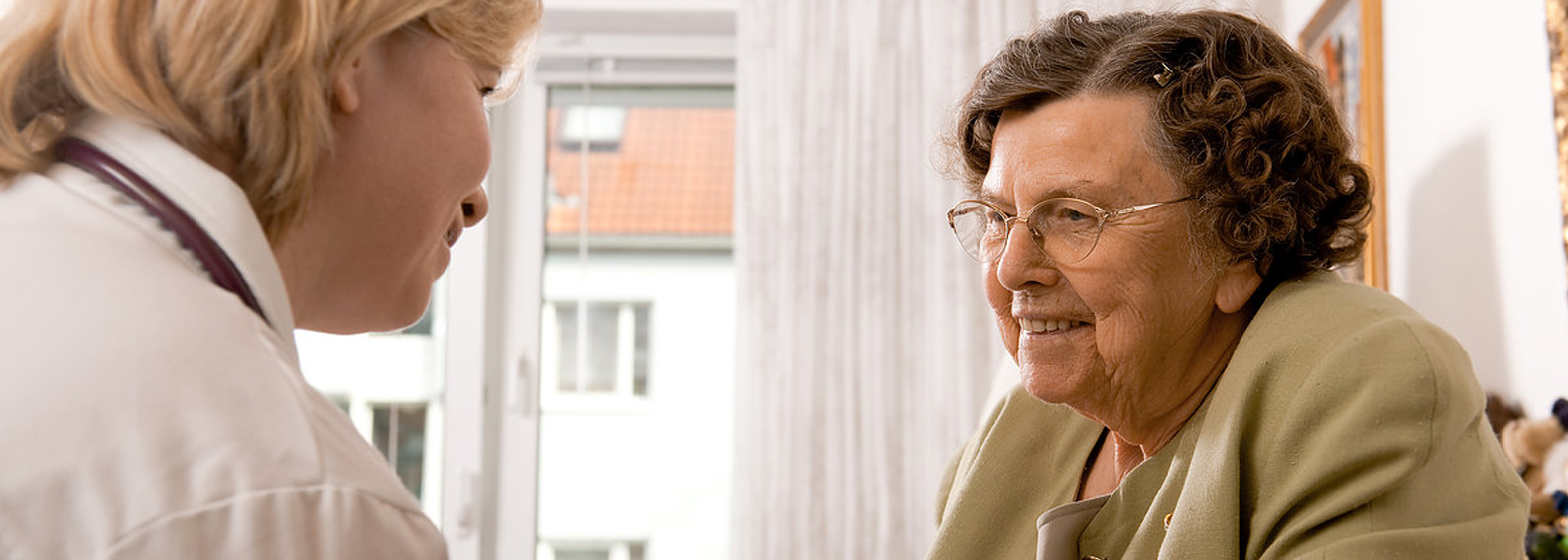
Aspire Health Solutions' mobile eye care is a complete mobile practice with multiple eye care teams of doctors and technicians. We specialize in the visual problems and treatment of the elderly and have become sensitive to their needs. Our goal through our comprehensive mobile eye care program is to prevent blindness, enhance vision, provide greater comfort to the patient, and preserve vision through timely intervention of eye conditions.
When vision is maximized, seniors are MORE Safe, MORE Independent and LESS Demanding on the health care team that cares for them.
Our country’s elderly, have a high incidence of undetected age-related eye conditions such as cataracts, macular degeneration, glaucoma, and dry eye syndrome. In addition, this population frequently suffers retinal problems due to long standing medical conditions such as diabetes, hypertension, hyperthyroidism, rheumatoid arthritis, and vascular diseases.
Often, the elderly population are on numerous medications such as steroids, anti-coagulants, psychiatric drugs, B-blockers, diuretics, antihistamines, and so on which can have ocular side effects such as cataracts, increased eye pressures, refractive or glasses change, dry eyes, and retinal changes.
Mobile eye care is a necessary component to early diagnosis of these debilitating conditions. Simultaneously, this high risk population typically has decreased access to eye care services.
The elderly and the nursing homes often find it difficult to leave the facility to go to the doctor’s office. The exertion required in being transported, the financial cost, and the stress of waiting in the doctor’s office are usually overwhelming reasons why certain patients choose to opt for outside eye care.
As people age, their physical limitations begin to increase. Visual impairment represents important safety issues to the resident and the nursing facility staff. Personnel may observe in residents decreased mobility, an increase in bumping into things, falling, etc. The infirmed may start losing the ability to enjoy some of their favorite activities that involve their eyes, such as reading and watching television due to an on-going eye disease which could have been treated at its early stages. As these residents lose independence in activities of daily living and require more assistance from staff, their mental state may also decline to lowered self-esteem, social isolation, and depression.